Rendered fresh in pure C#
A fleet of physics boards, each with real lights, cast shadows and moving parts.
Fourteen playable boards from seven separate engines - two boards apiece: knockout billiards and a molten foundry, a dune rover and a peg arena, a moat keep and a casting forge, a brick-breaker and an ice causeway, a Sokoban yard and a ray-traced pachinko, colored-shadow vaults and a sentry breach, pinball and a sinkage vale. Every one runs a live rigid-body simulation and its own from-scratch light-transport renderer: point and directional lights, Cook-Torrance surfaces, and shadows traced against the actual geometry - never faked with blobs. No game engine, no GPU, no external assets. Every pixel is C# on the CPU.
The boards
Seven engines, fourteen boards
Two boards from every engine, plus two bonus camera angles - sixteen renders in all.
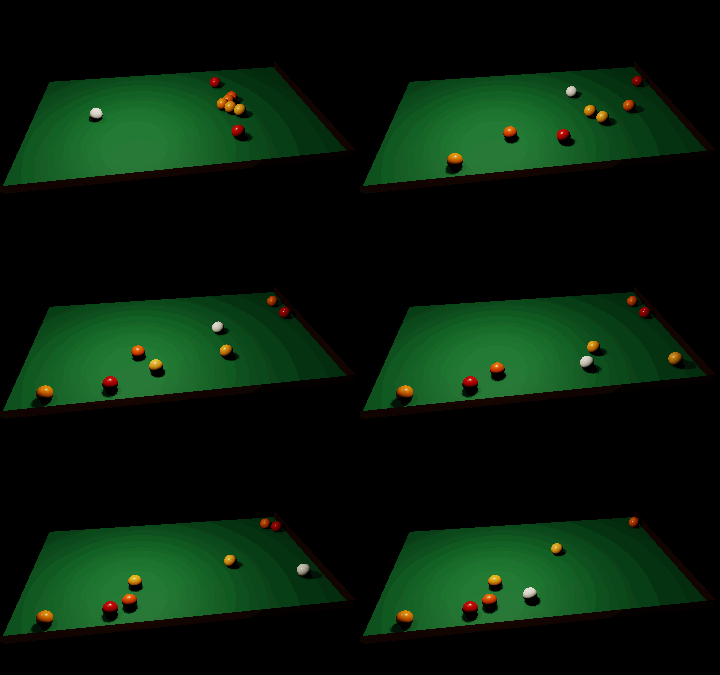
Physics knockout billiards - a cue ball breaks a rack of target and trap balls across a six-pocket felt table.
A casting board - an autopilot shoots ingots across sand, snow and pond terrain to fill molds. The frame stacks the play view over a low cinematic camera of the same solve.
A rover crosses soft dunes toward a goal, sinking into loose soil (Bekker sinkage) and skirting the pond.
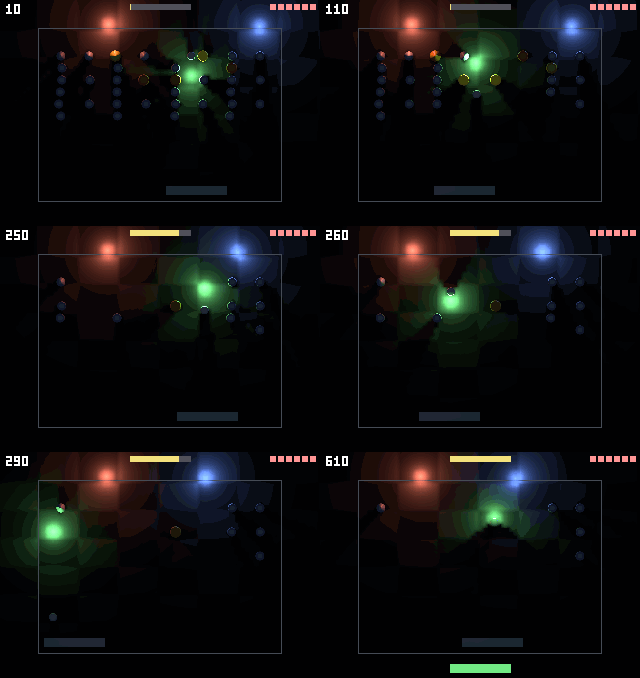
A lit peg arena - balls launch and bounce off glowing target pegs (breaking them) while a reactive paddle keeps them in play; clear every peg before the lives run out.
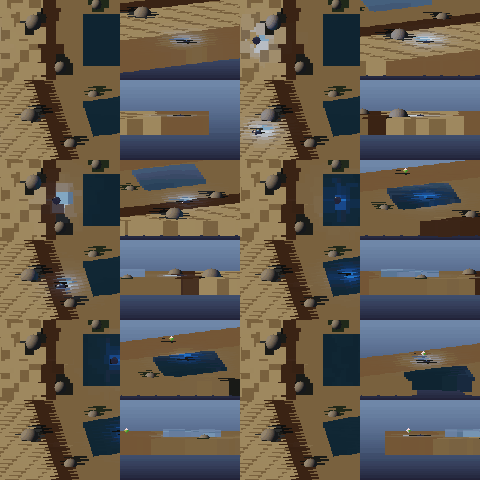
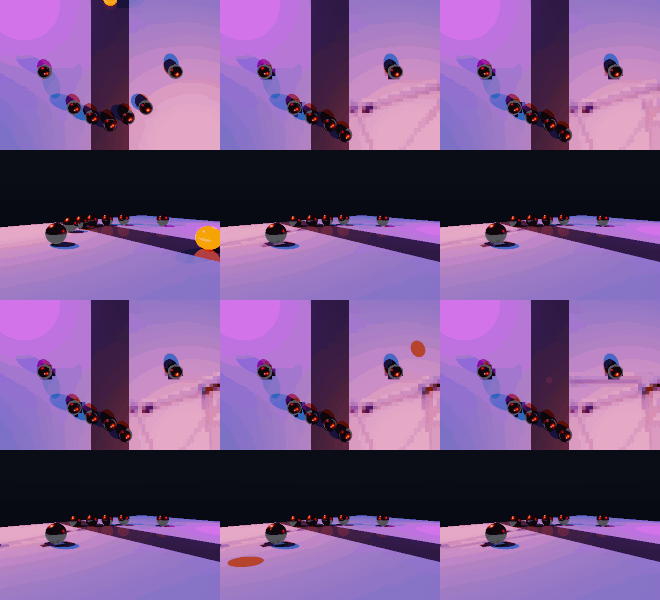
One rover run, several synchronized cameras framing the same world state at once.
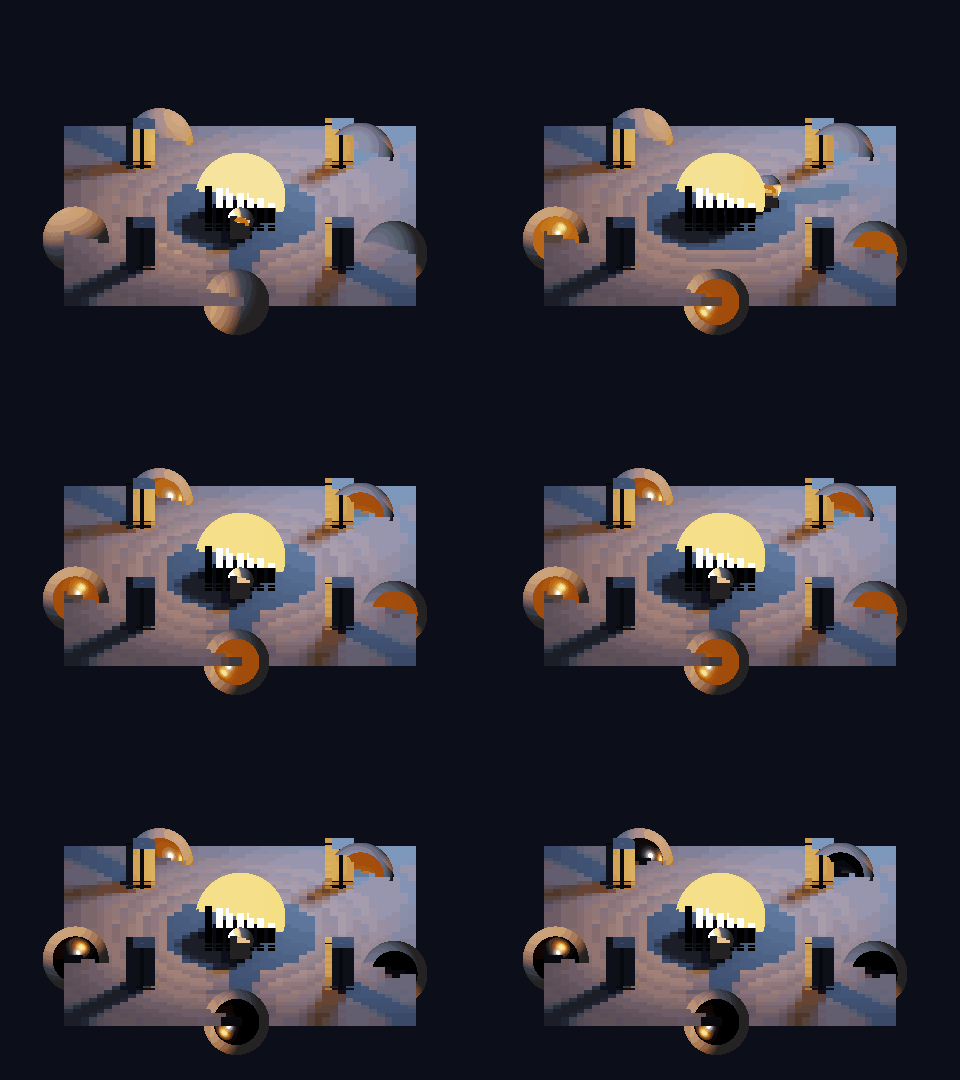
An autopilot ladles molten metal from a crucible into sand molds - five castings before the heat bleeds out.
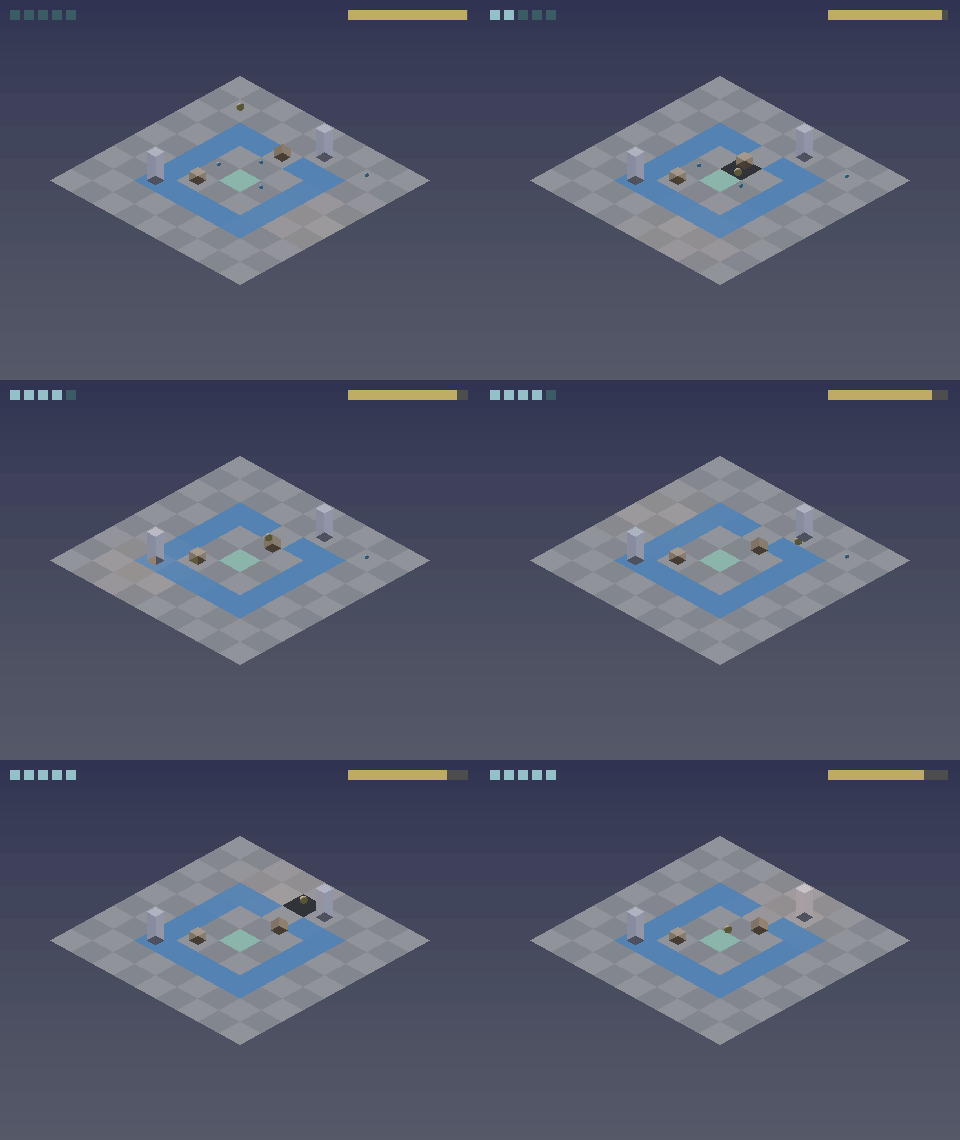
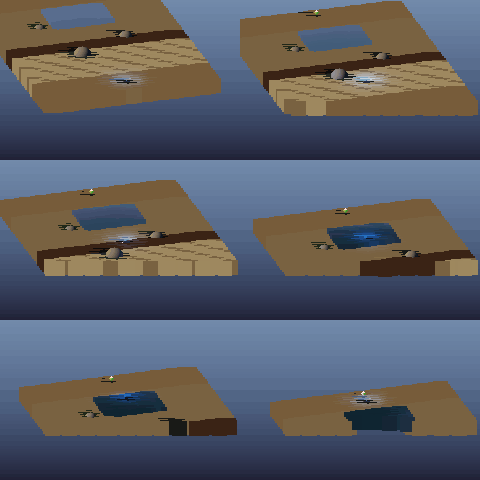
A moat-ringed keep - an autopilot marble routes around pits and over the north causeway to collect every glowing orb, then reaches the goal, with a live water surface.
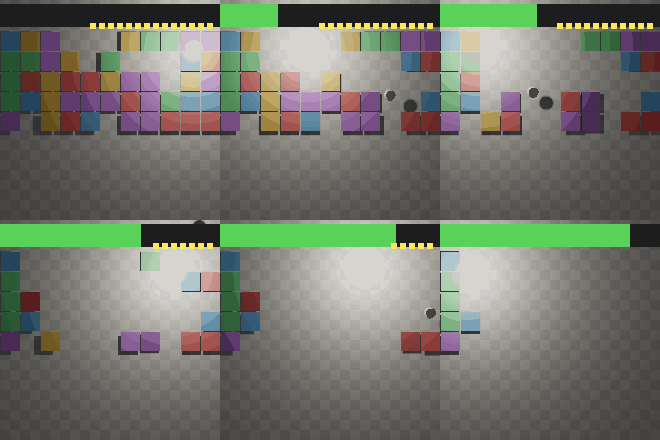
A physics brick-breaker - launch balls to shatter procedurally placed crates, each with its own hit points.
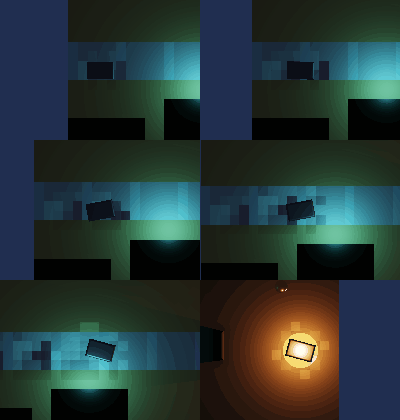
A haul-the-ore board - drive a cart across sand, mud and ore terrain while forge heat melts open a frozen ice causeway, then deliver the ore to the forge.
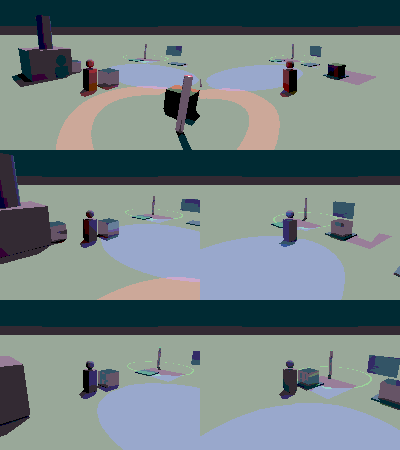
A Sokoban crate-push puzzle on a Bekker sand heightfield that furrows underfoot, beside a wave-equation pond.
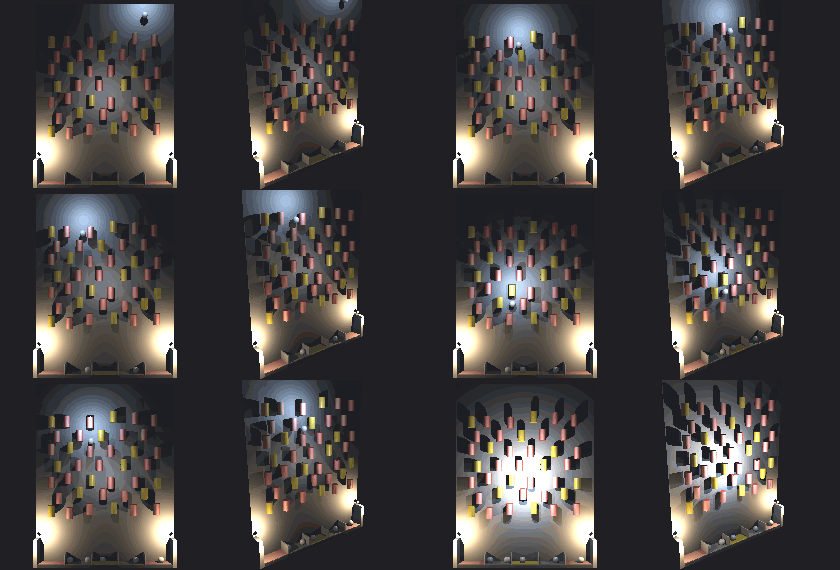
A ray-traced pachinko board - balls fall under gravity through a fixed peg field (analytic circle collisions, restitution and friction) into scoring slots. Front and three-quarter views run side by side.
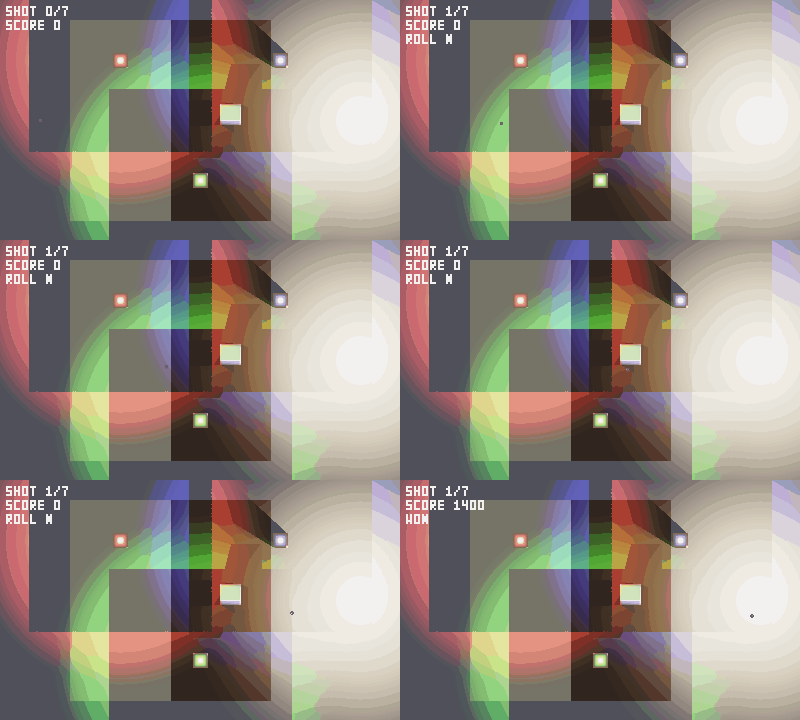
A skee-ball marble shot - roll a marble across sand, mud and stone terrain into the vault goal.
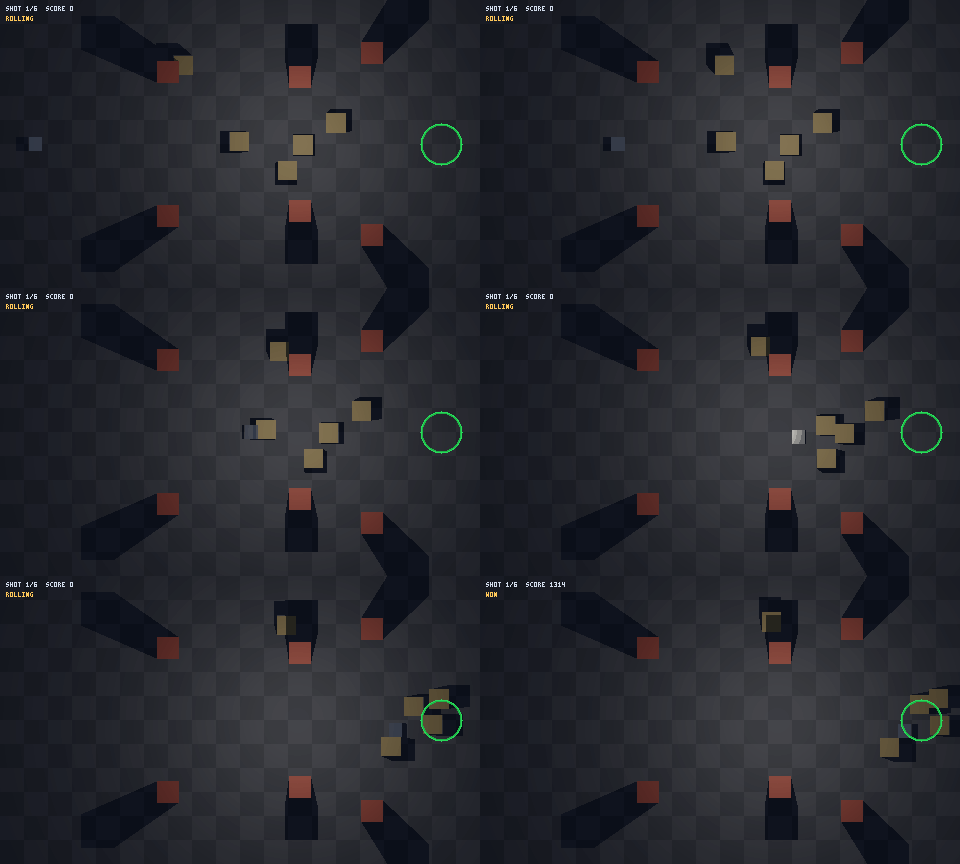
A pinball/skee-ball breach - launch a steel marble at the vault-door goal while threading shadow-casting sentry pillars and bumping physics-driven crates (Box2D-Lite sequential-impulse solver).
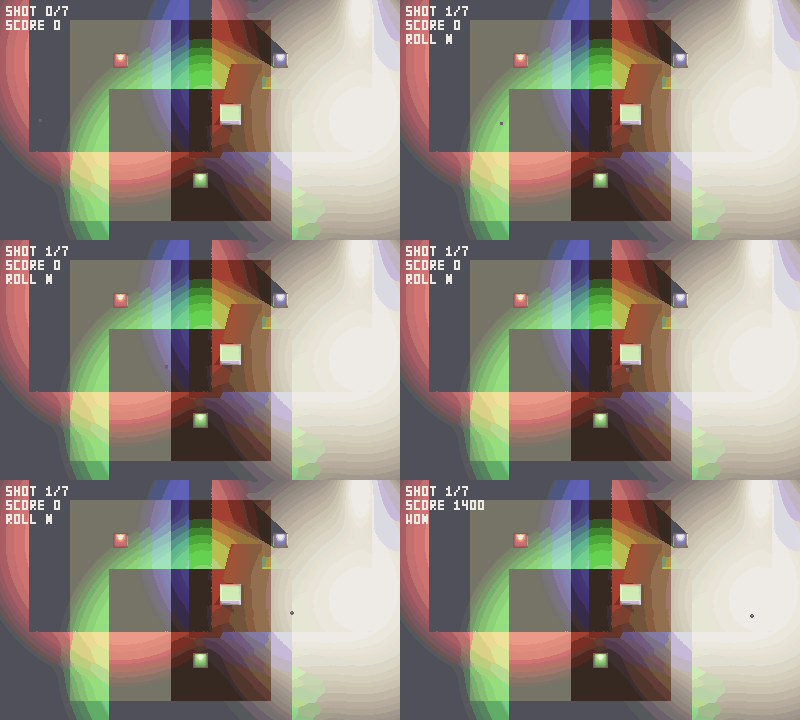
The same vault shot, re-rendered from the low chase camera in the engine's multi-camera rig.
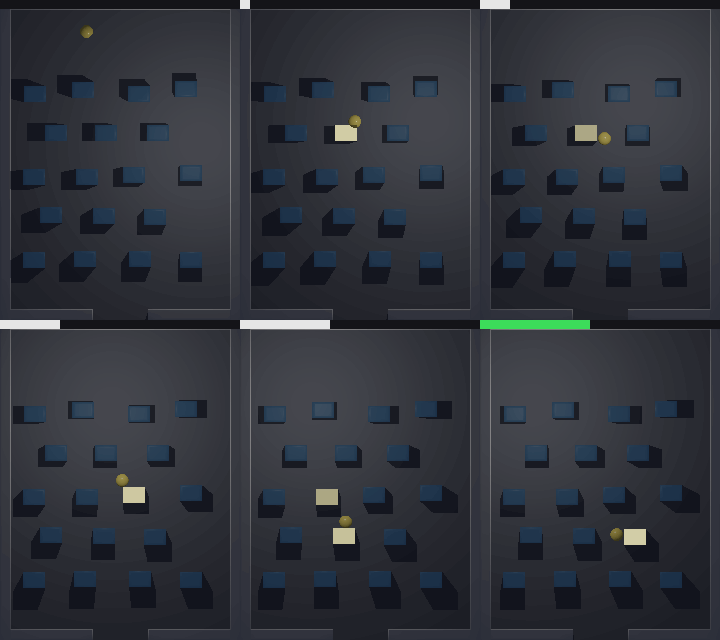
A seeded procedural pinball arena - one dynamic ball ricochets off walls and bumpers.
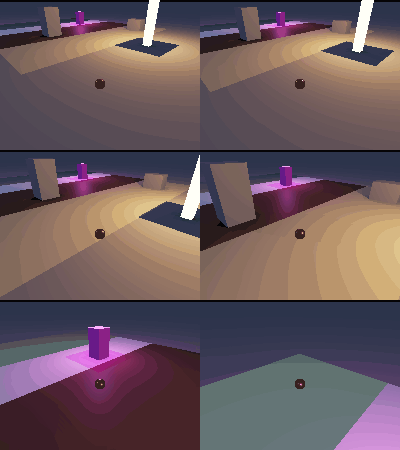
A terrain marble board - roll a marble across a Bekker pressure-sinkage grid (live sink, moisture, temperature and pressure fields) past a pond toward the goal, from a third-person chase camera.
How they are made
Simulate, trace, cast, repeat.
Each board is a standalone console program. It steps a rigid-body world - balls, crates, marbles, a rover - then hands the frame to a hand-written renderer that shades every pixel with a physically based BRDF and fires shadow rays at the real scene geometry. The frames are packed into a GIF on the way out. The colored shadows in Crucible Forge, Thermal Vault, Foundry Yard, Prism Foundry, Causeway Forge and Ember Vale come from evaluating light visibility per red / green / blue channel through transparent occluders - block one wavelength and its complement bleeds through.
Nothing here reaches outside the .NET base class library: no graphics API, no shader compiler, no image files, no fonts. The renders on this page were produced fresh from source on a desktop CPU.