PartAssembly - MaterialSway prototype
Every material sways differently.
The same wall-mounted arm, rendered once per material. A steel rod barely droops and snaps back clean; a pipe cleaner sags and just stays where you left it; aluminium foil tears; glass shatters with no warning. Nothing here is an easing curve dialled to taste - it is a real cantilever-beam and coil-spring simulation reading Young's modulus, yield and density straight from an engineering catalog, time-stepped through an existing unconditionally-stable torsional spring and encoded to GIF in pure C#.
Three side-by-side runs
All eight materials in lockstep: a bend-and-release, a spring stretch-and-release, and a ramp to destruction. Watch the same input land completely differently on each one.
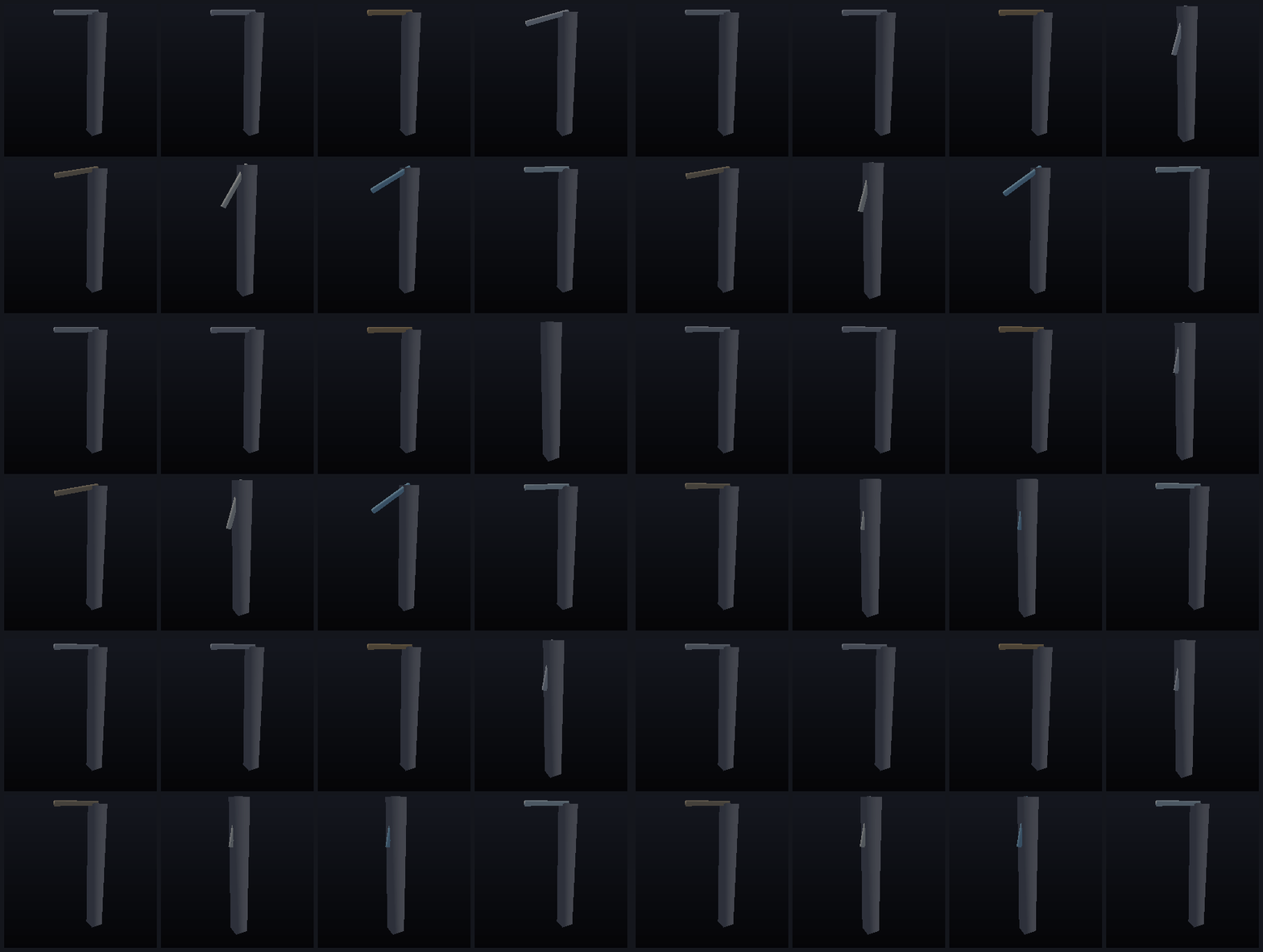
A hand pulls each arm to its physically
correct droop for the first half of the cycle, then lets go. The recoil is a genuine
time-stepped run through VegetationBend - the same damped torsional
spring built for grass blades, reused because an arm pinned at its socket is exactly
that problem. Steel and titanium ring back to level; copper and pipe cleaner keep the
bend once the load crosses yield.
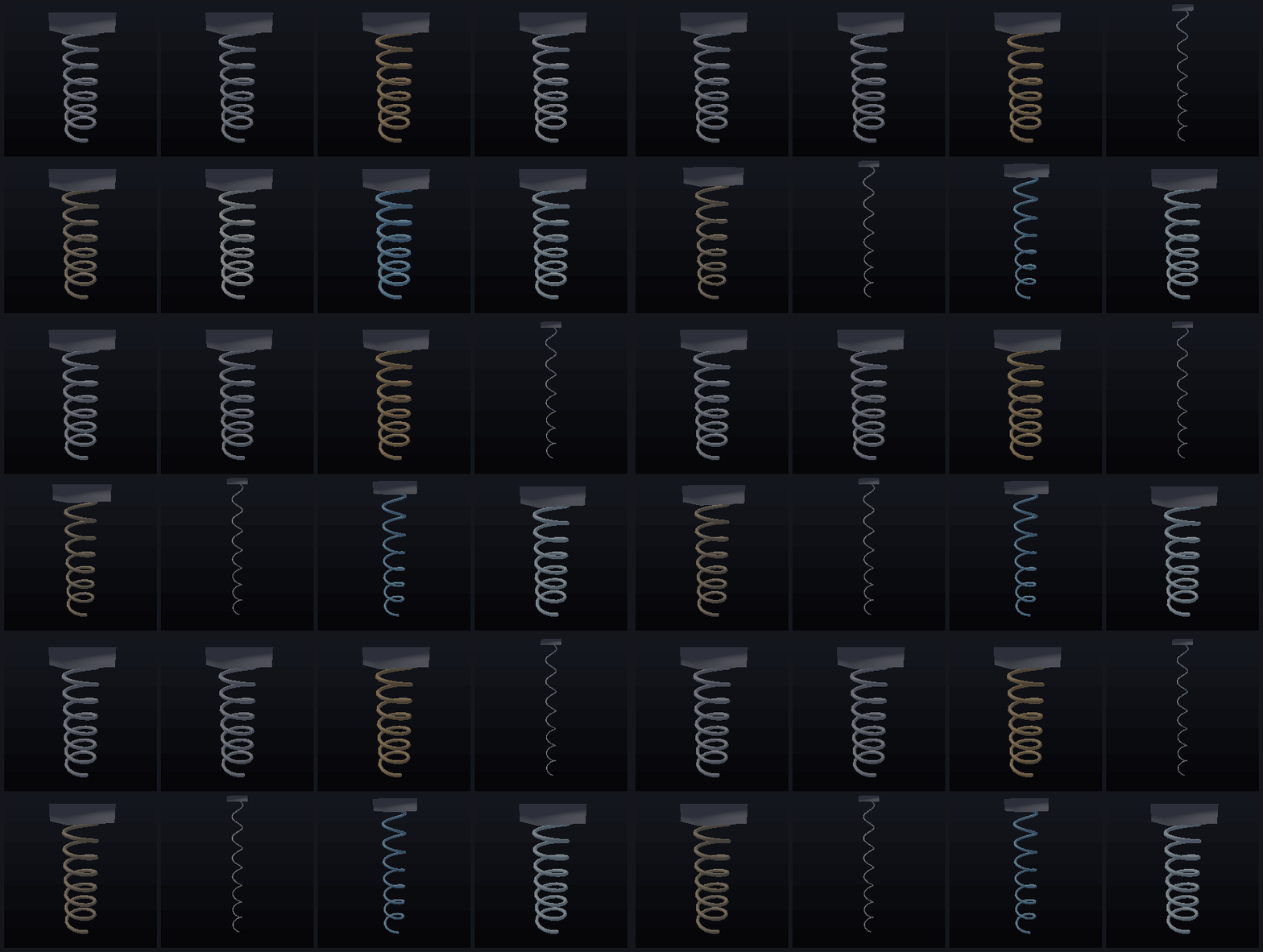
A distinct mechanics problem: a coil stretches by twisting its own wire, so it uses the shear modulus, not the bending modulus. Same 1.0 N pull on every 7-coil spring; the stiff steel coil barely moves while the soft ones stretch far and, past their wire's shear yield, stay long.
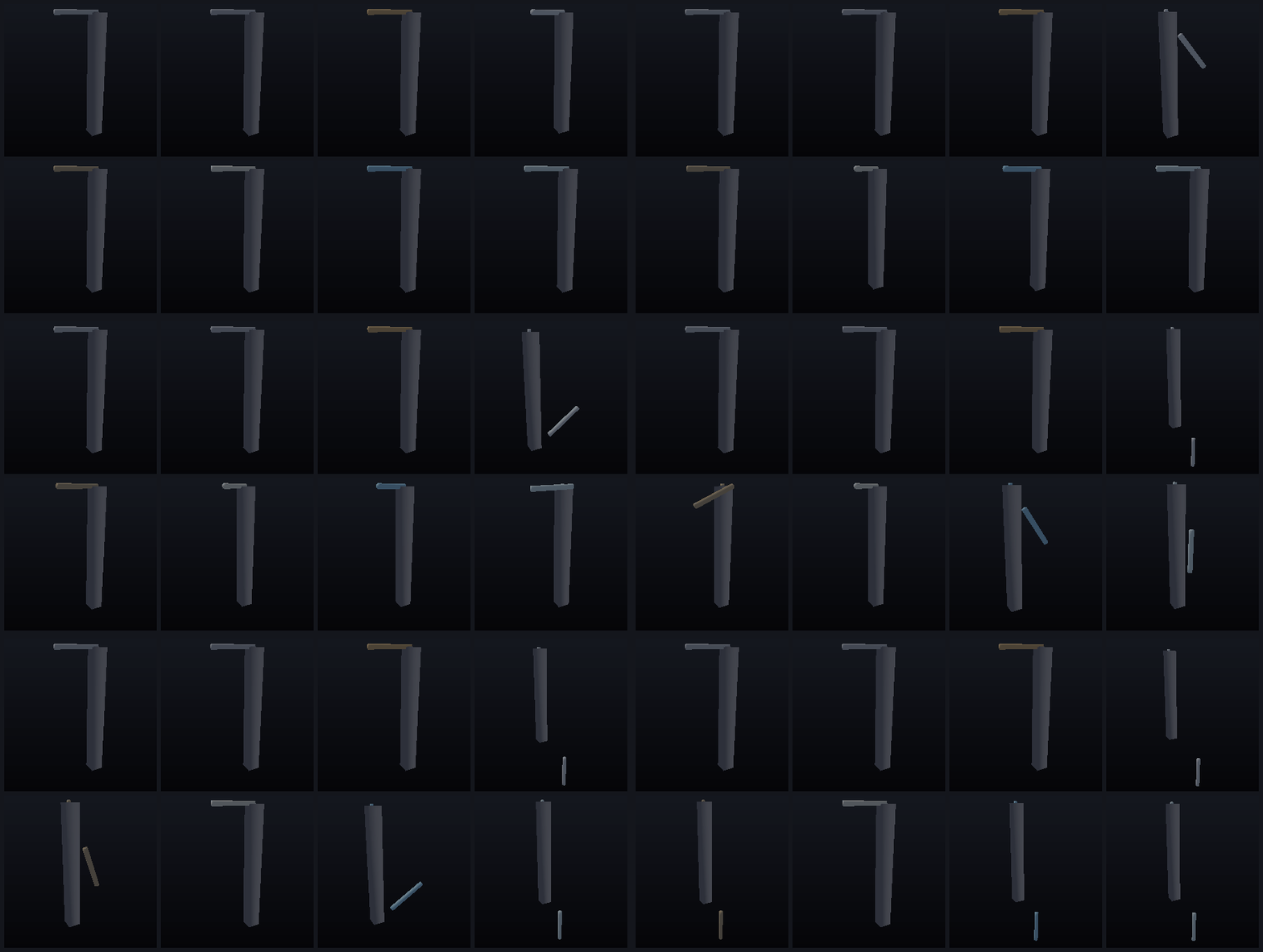
The force ramps to 1.5 N, then releases. The instant a material's peak bending stress hits its ultimate strength it snaps off at the wall - where a cantilever's moment is genuinely maximal - and the free piece falls under real ballistics. Foil tears at once, glass shatters with barely a flex, wood and pipe cleaner snap later, string just hangs.
Cantilever sway, material by material
One 16 cm arm, 1.5 mm across, bent by self-weight plus a 0.5 N tip push and released. The chips read each material's real bending stiffness, yield point and settling character.
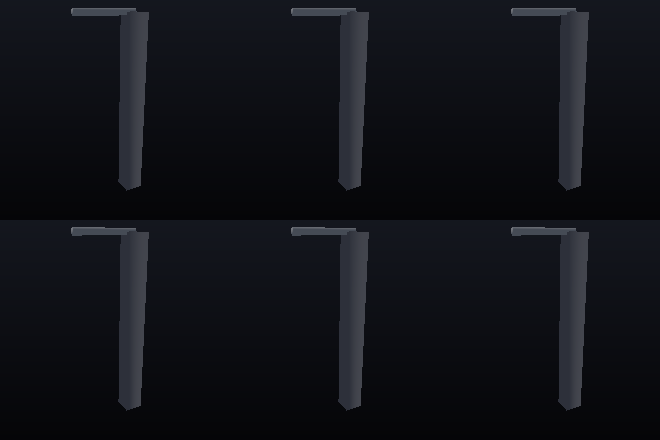
Negligible sag, springs back clean - the rigid end of the range.
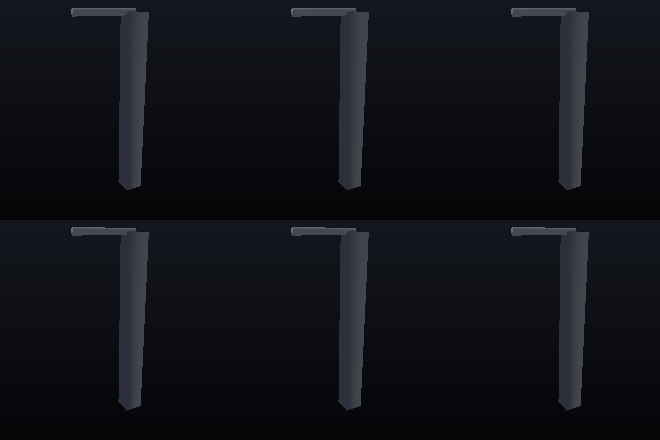
Lighter than steel at similar stiffness, and very springy - a huge yield margin.
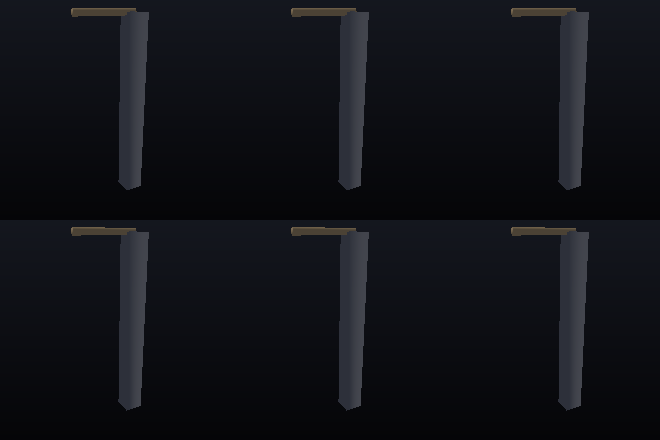
Soft and heavy for its stiffness - sags, and keeps a bend once past its low yield.
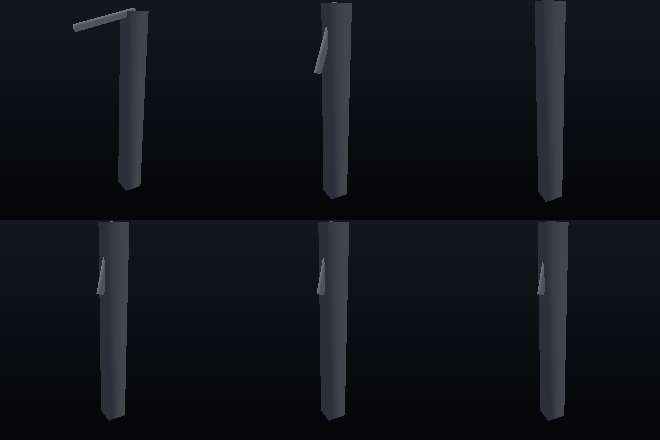
A paper-thin ribbon - its bending resistance collapses with thickness cubed, so it just flops.
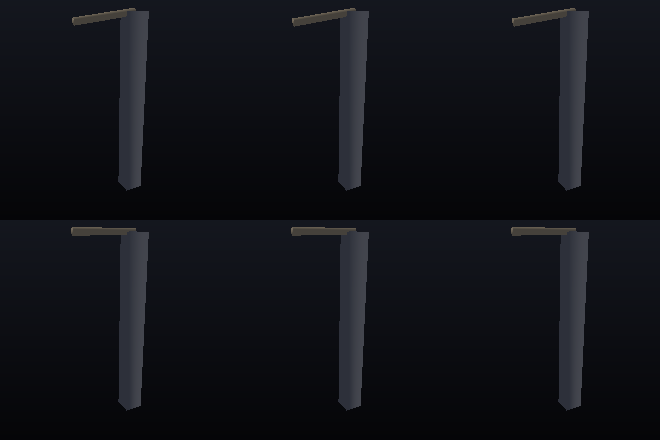
Moderate stiffness, no yield-and-reshape - springy right up until it simply snaps.
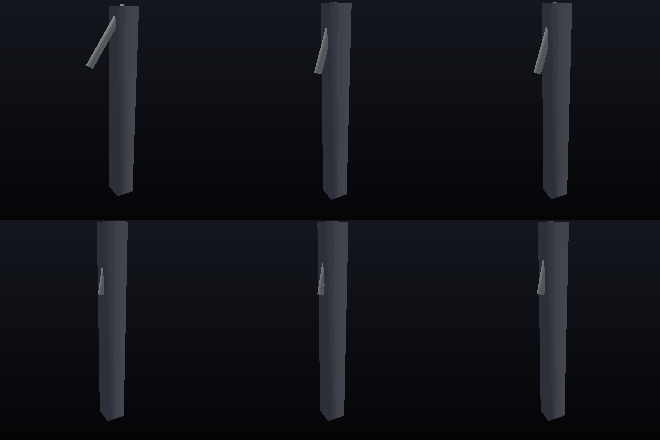
Essentially no bending stiffness - a fibre bundle has nothing to resist bending, so it just hangs.
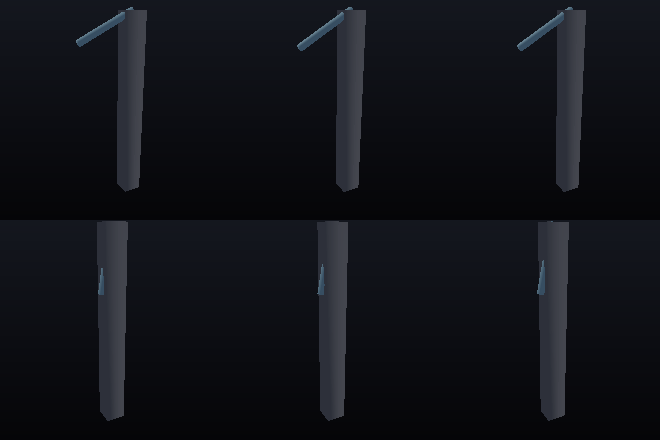
The textbook "holds whatever shape you bend it into" - low stiffness and a very low yield.
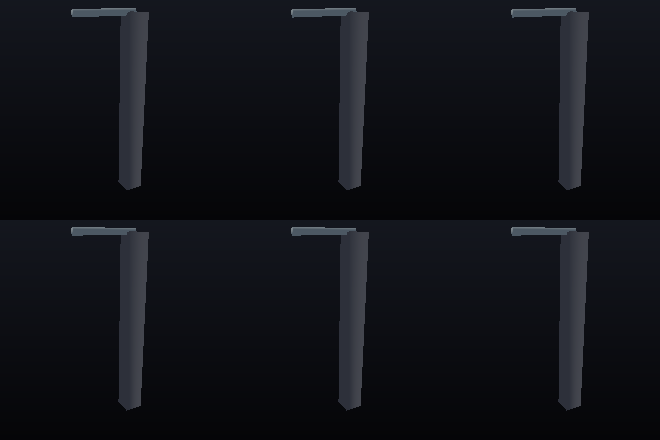
Brittle: no yield point at all, so it never keeps a bend - it flexes a hair, then shatters.
The same eight, coiled into springs
A 7-coil spring per material, hung from a ceiling mount and pulled with 1.0 N. A coil deforms almost entirely by twisting its own wire, so its stiffness rides the shear modulus and wire diameter to the fourth power - a different personality than the same metal held straight.
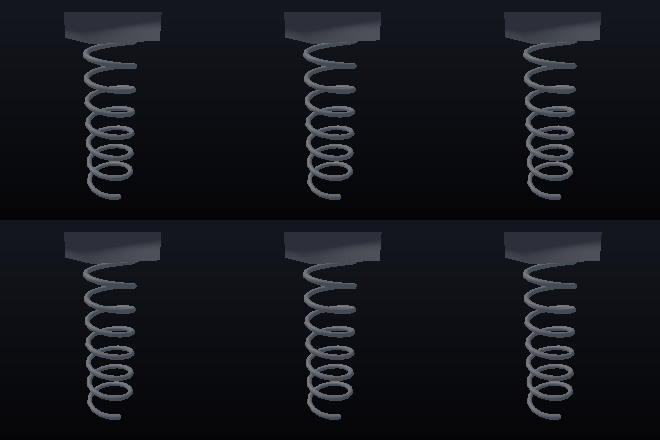
Stiffest coil here - barely extends, snaps right back to relaxed length.
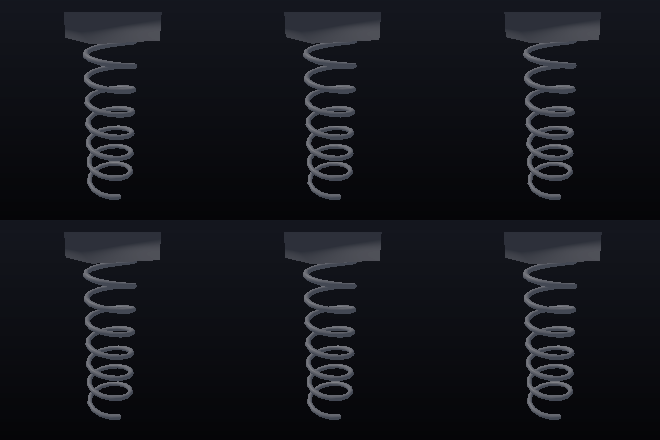
Stretches more than steel, then returns cleanly - its wide yield margin resists taking a set.
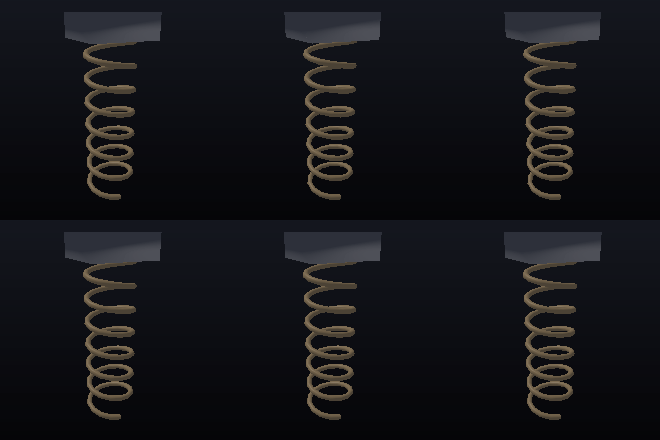
Stretches a long way and keeps some of it - low shear yield leaves a permanent set.
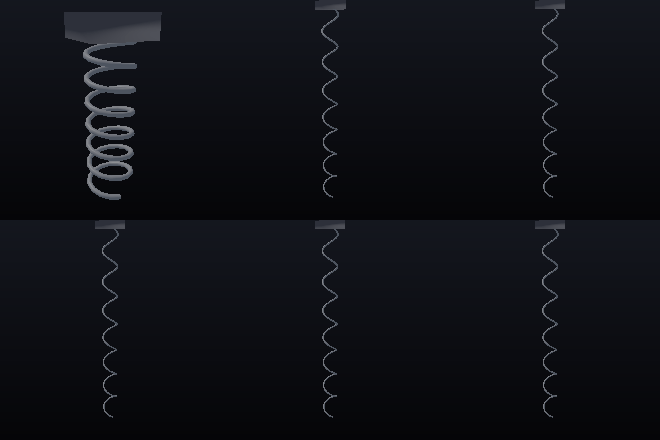
The foil preset's softening hack overshoots as a coil - shown to the render's stretch clamp, an honest limitation, not a bug.
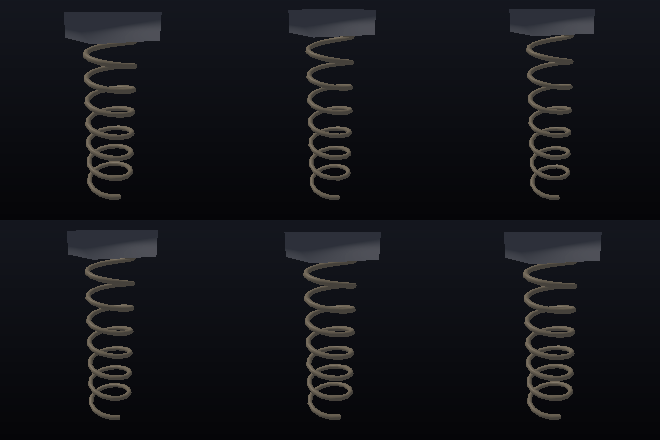
A curiosity - what a wooden dowel would do coiled: moderate stretch, springy return.
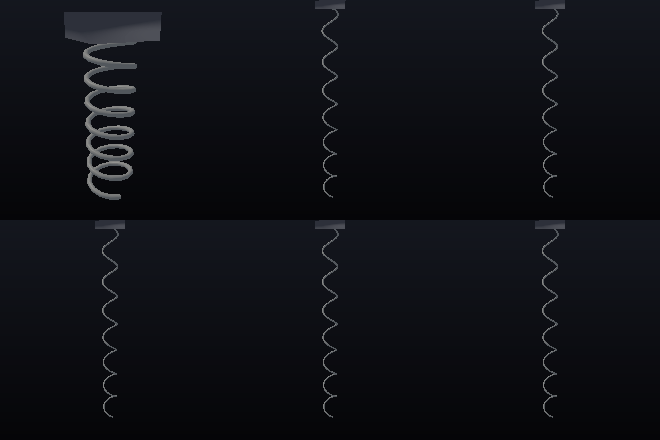
Far too soft to hold a coil shape under load - reaches the render's clamp and hangs long.
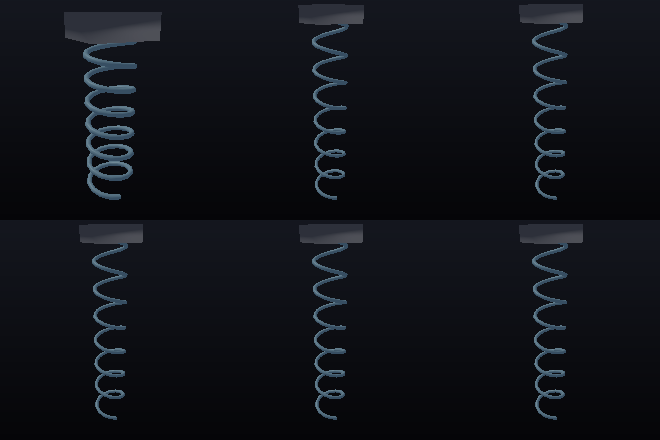
Stretches and keeps almost all of it - its tiny yield means nearly any pull is permanent.
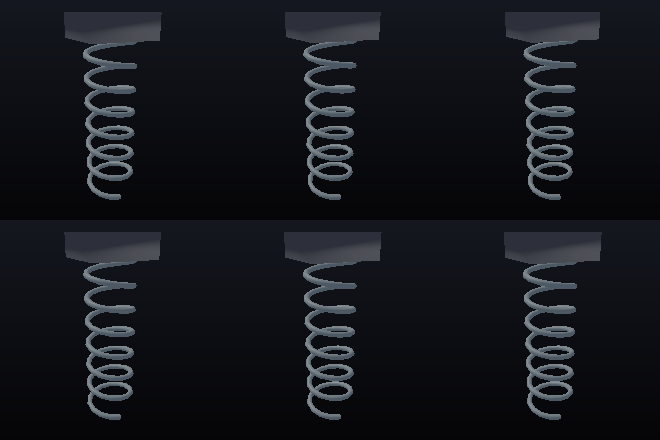
Stiff and perfectly elastic within its range - stretches, returns, never takes a set (no yield regime).