From-scratch C# - BCL only
One ray tracer. Every law of physics it can prove.
Reality Sim is a single hand-written engine: a recursive Whitted-style ray tracer bolted to an SI-unit physics solver. It does not paint reflections, hit-points, or animation loops - it solves for them. Mirrors reflect because a ray genuinely bounces; a door opens because a latch joint failed under real torque; iron glows because the blackbody curve says so. Roughly 40 proof GIFs come out of the one engine, and every pixel is written with the .NET base library plus a GIF encoder and a seeded RNG. No shaders, no scene files, no assets.
~40
proof GIFs from one engine
7
self-test modules, 36 assertions
0
libraries beyond GIF + RNG
net10.0
warnings-as-errors, 0/0 build
Six renders
Different scenes, one solver behind all of them
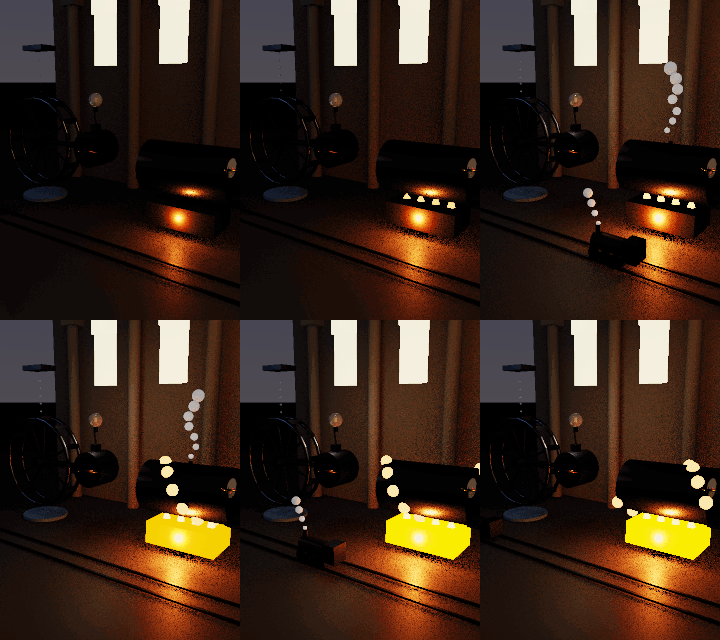
GRAND POWER HALL
The whole energy chain, one SI sim
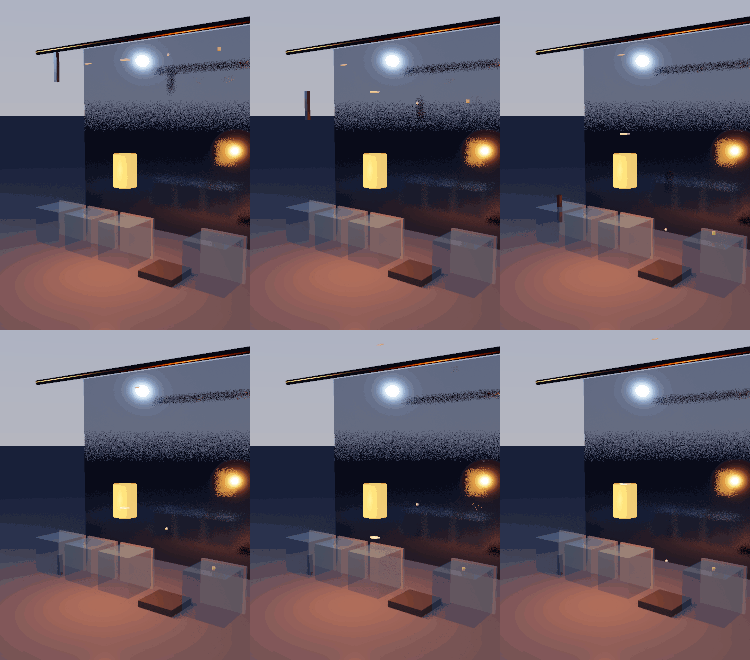
DROP ATRIUM
Five falls through air, flame and water
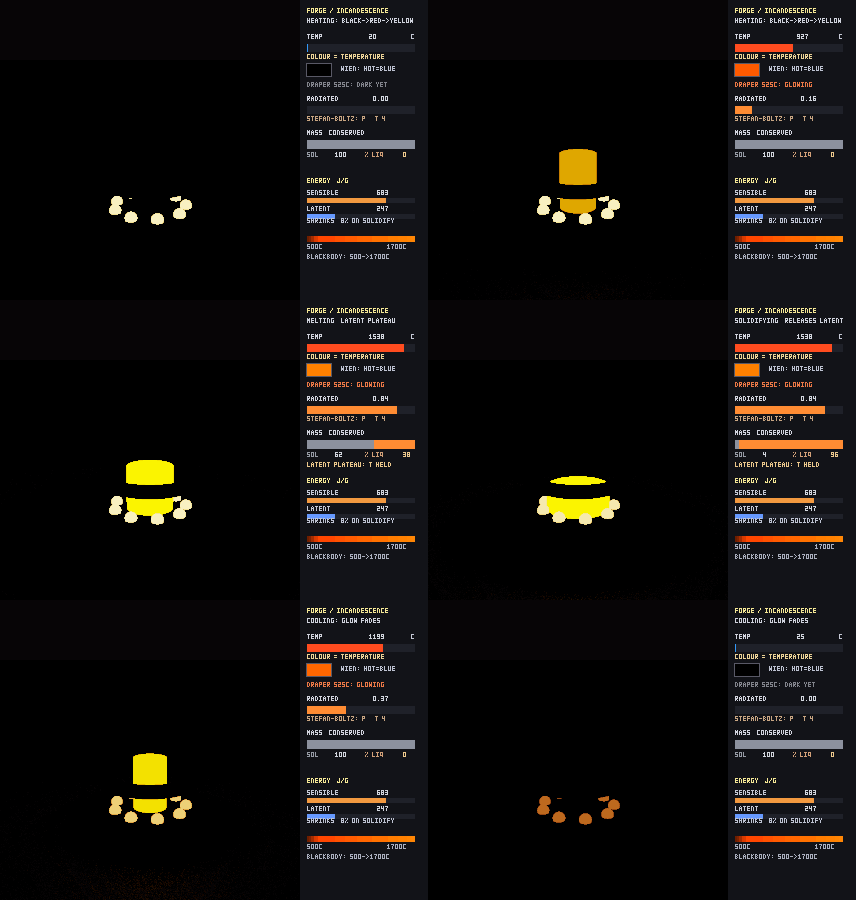
FORGE / INCANDESCENCE
Iron to 1538 C, coloured by physics
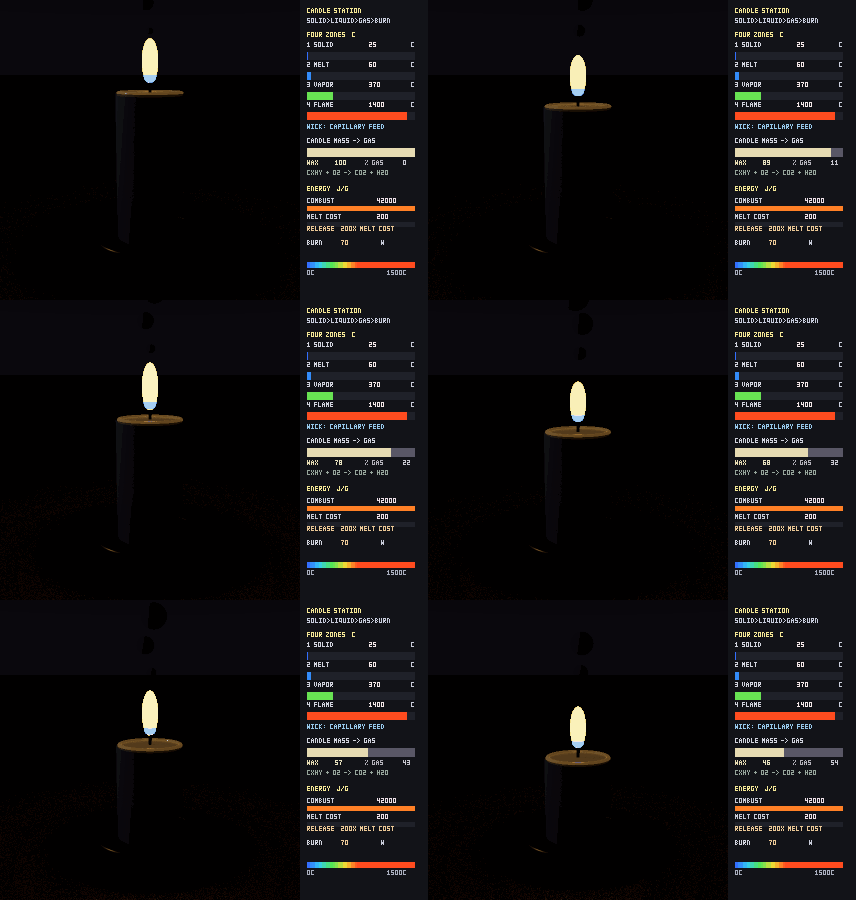
CANDLE STATION
Four thermal zones, and lost mass
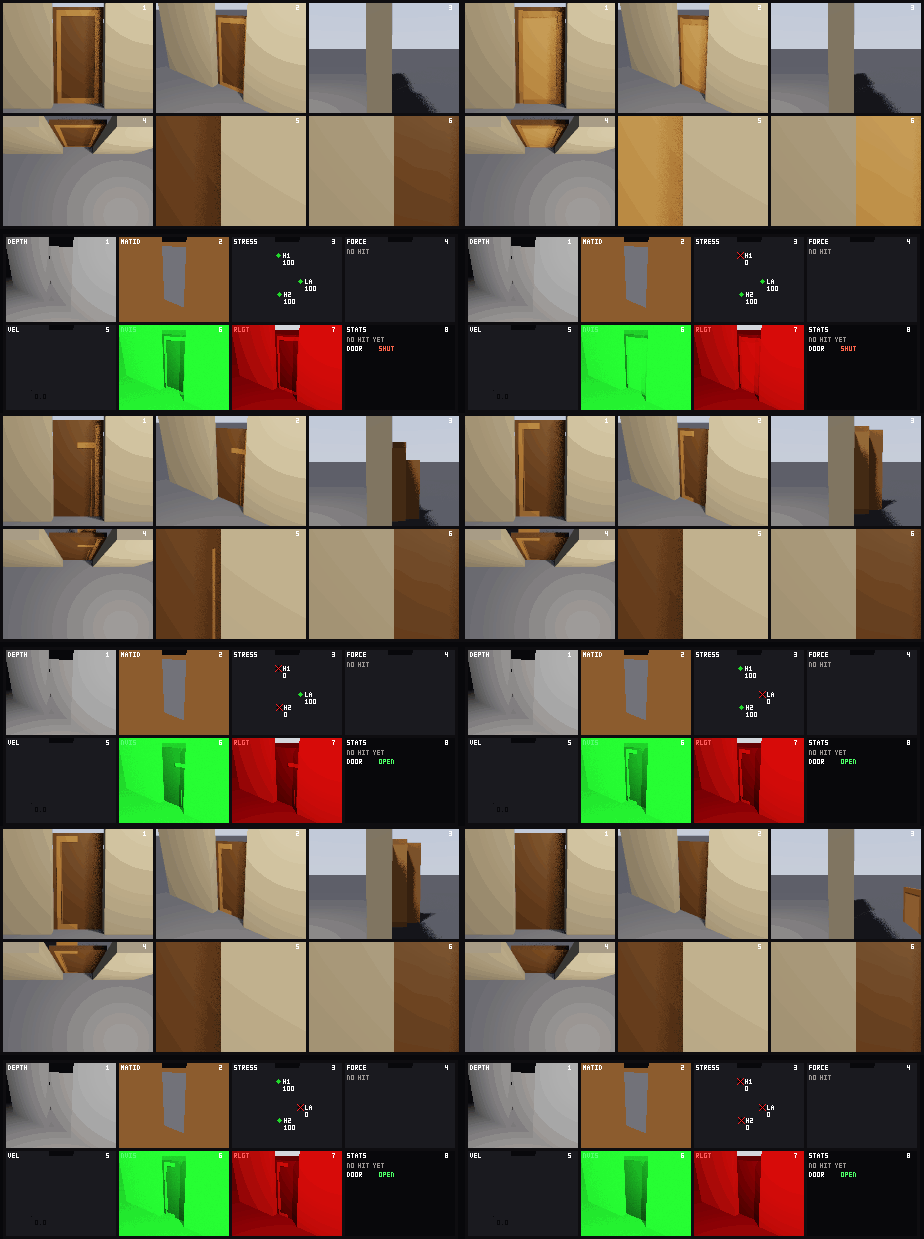
DOOR AS AN ASSEMBLY
A door is joints, not an HP bar
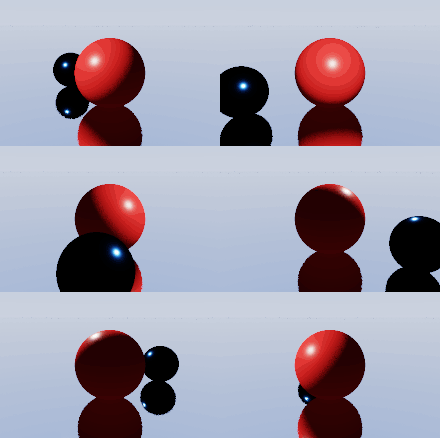
RECURSIVE MIRROR PROOF
Reflections solved, not painted
How it renders
THE RAY TRACER
THE PHYSICS